
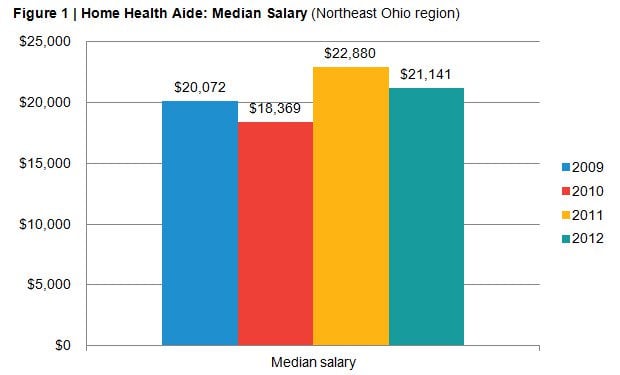
Here in Northeast Ohio, it is well known that the healthcare industry is by far the largest in the region, employing thousands upon thousands of workers in a wide range of positions (and salaries). One position type that has made headlines in recent weeks is the “direct care worker.”
6 Answers To Your Health Care Reform Questions
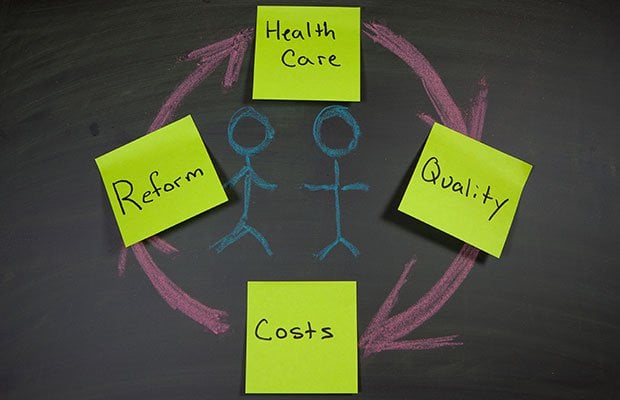
How are health insurance rates being affected by health care reform? Now that the notices have been sent and exchanges have launched, what’s next for employers? Here are six (6) answers to commonly asked questions on health care reform currently.
4 Important Workplace Wellness Trends You Need to Know

Employee wellness continues to expand and change in the workplace as organizations use wellness programs to combat rising health care costs and support the development of healthy lifestyles in their workforce. Here’s an overview of the state of employee wellness, and specifically 4 important wellness trends you need to know including an analysis of employer programs and practices, incentives, return on investment and drivers of effectiveness, and new things employers are doing in the area of wellness.
E-Cigarettes: Implications for the Workplace

Electronic cigarettes, otherwise known as “e-cigarettes,” are becoming a hot issue in the workplace these days.
3 Strategies for Managing Your Healthcare Costs
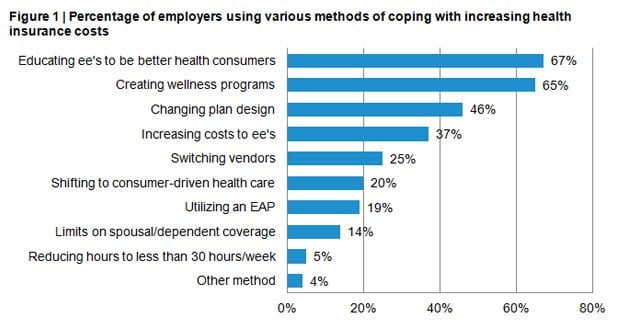
Rising healthcare costs are consistently cited in ERC’s research as a top concern among employers in Northeast Ohio. Interestingly, data from sources ranging from local (ERC) to national (Kaiser Family Foundation) have shown more moderate percent increases in health insurance premiums in 2013. The reasons for these increases, no matter how large or small, are multi-faceted and difficult to measure, but for a glimpse at how many area organizations managing these increases, we turn to the 2013 ERC Wellness Practices Survey.
The Importance of Vaccinations

Unless we can eliminate vaccine-preventable disease, it is important to continue immunizing. Even if there are only a few cases of disease today, if we take away the protection given by vaccination, more and more people will become infected and will spread disease to others. Soon we will undo the progress we have made over the years.
Government Shutdown: What Employers Need to Know About E-Verify
The government shutdown has resulted in not only the suspension of E-Verify, but also the temporary closure and reduced capacity of many key employment-related agencies on which organizations rely.
10 Employment Laws that Supervisors Need to Know

Supervisors and managers have a shared responsibility with HR in making sure that their interactions and relations with employees are compliant with federal and state employment laws. Here are ten (10) of the most important employment laws that supervisors need to be aware of and the major responsibilities that supervisors typically are responsible for in ensuring compliance.
5 Questions to Evaluate Your Performance Review Process

Performance management is often a challenging area for employers, and many organizations never think they are doing it as effectively as they could be. The truth is that most aren’t. Performance management is a lagging area at many organizations, but nonetheless, it’s a vital process that should be continuously improved upon in the workplace.
Integrating Incentive Pay into Your Performance Management Process

When structuring an effective Performance Management process at any organization, including some type of incentive to help drive performance is a key step. Particularly in recent years, large financial incentives are not always feasible, nor are they always found to be the most impactful driver for incentivizing employees. Nonetheless, a consistently strong majority of organizations both across the region and nationally, tie pay to performance either directly or indirectly.
7 Proven Ways to Attract & Retain The Next Generation

At the 2013 NorthCoast 99 event, Craig Keilburger, activist for the rights of children and cofounder of the Free the Children charity and Me to We social enterprise, touched on the importance of social responsibility in attracting the younger generations of talent, namely Millennials (otherwise referred to as Gen Y).