





When Does an Organization Need HR?

HR Letters

Every growing organization eventually hits a point where managing people, compliance, and culture gets too complex to handle without HR support of some kind. Managers need help handling employee issues, and as you add people, new employment laws start to apply. Recruiting and retention become growing challenges. And soon, HR starts taking more time than … Read more

What Is Fractional HR and When Does It Make Sense?

What is Fractional HR?

As organizations grow, so do their people challenges. What started as a small team that could “figure things out as we go” now needs consistent hiring processes, clear policies, and better ways to manage and support employees. HR issues can start to take more time, and they’re landing on the owner’s or president’s desk (maybe … Read more

When Should an Organization Make Its First HR Hire?

First HR Hire

If you’re reading this, you might be feeling the strain of not having a dedicated HR professional, but you’re also not sure if you’re ready for a full-time hire. Maybe you’ve got leaders juggling HR tasks. Maybe hiring feels inconsistent, employee questions are taking more time, or you’re starting to worry about compliance as you … Read more

PEO vs. Fractional HR: Which is Right for Your Growing Company?

PEO vs. Fractional HR Consultant

For companies approaching or surpassing the 50-employee mark, HR quickly becomes more complex. You’re now facing requirements like the Affordable Care Act (ACA), the Family and Medical Leave Act (FMLA), and more detailed compliance reporting. If you don’t have an in-house HR leader, you’re probably contemplating your next step. (Check out our article comparing internal, … Read more

How to Choose the Right Fractional HR Partner

Three doors, representing a choice

If you’re reading this, chances are you’re at a crossroads. Maybe your HR person is going on leave. Maybe they just left. Maybe you’ve never had someone in that seat but things are getting too complex to keep handling on your own. Or maybe you do have HR support, but something feels off: policies are … Read more

What HR Needs to Keep Confidential

The Highlights:

  • Organizations, typically falling to the HR department, is responsible for keeping information like employee records, medical information, background checks, disciplinary actions, and investigation details kept confidential.
  • HR confidentiality is required by laws like HIPAA, FCRA, GINA, FMLA, and ADA to protect sensitive employee information.
  • Keeping certain information confidential protects employee privacy, ensures compliance with legal requirements, and helps maintain trust in the workplace.

What HR Needs to Keep Confidential

HR is not only entrusted with maintaining sensitive information about employee and management issues, but also must protect this information under laws governing confidentiality.

Read more

Avoid Expensive I-9 Penalties: How to Get Compliant by Year-End

I-9 Form

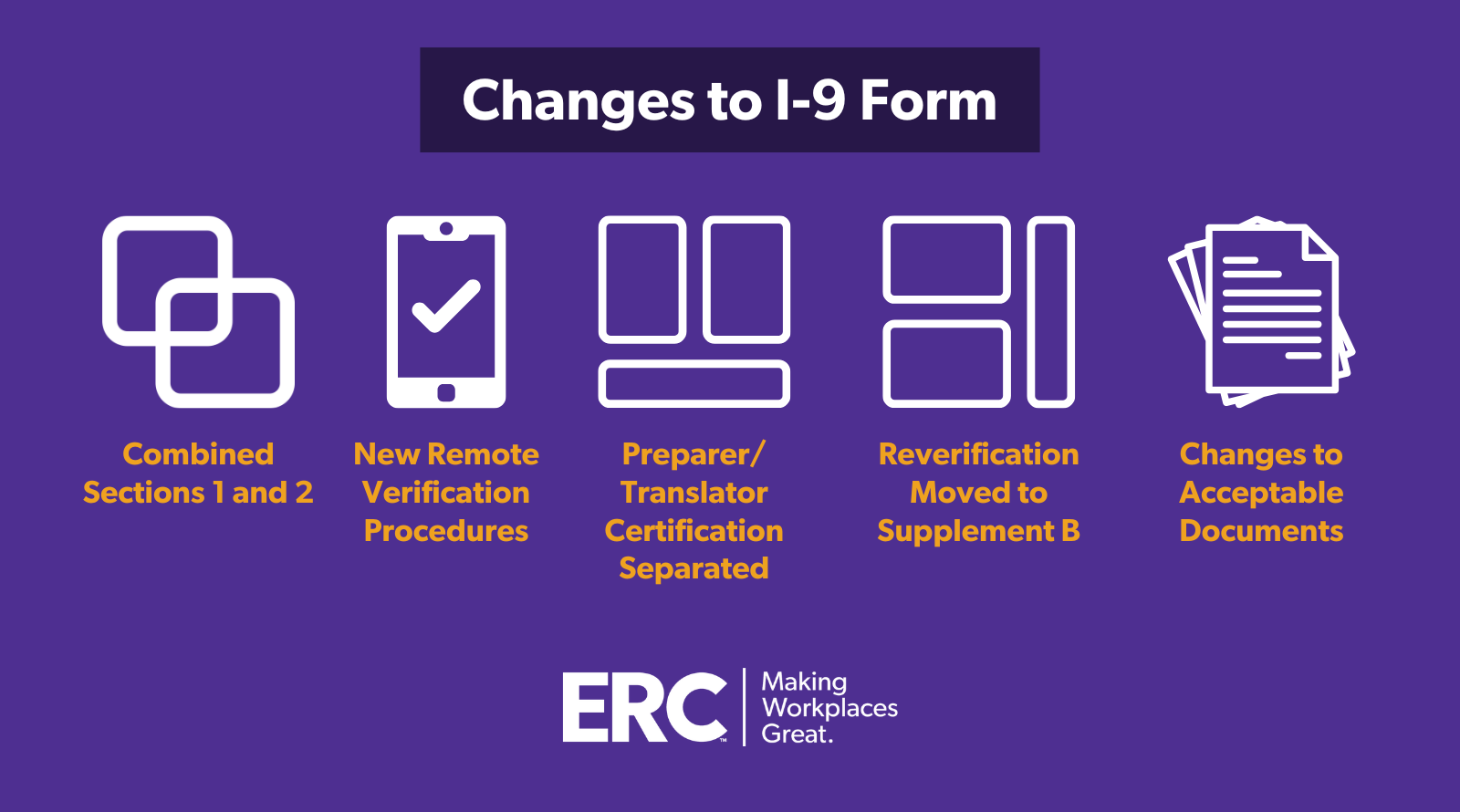
You’re likely familiar with Form I-9—the employment eligibility verification form that’s been a staple in the hiring process for years. Form I-9 is used to confirm that individuals hired are authorized to work in the U.S. While the form may seem routine, changes over the past couple of years have made staying compliant more important … Read more

12 Tested Ways to Manage Time-Off Requests around the Holidays

12 Tested Ways to Manage Time-Off Requests around the Holidays time off request policy request time off policy

For most HR practitioners, trying to coordinate a pile of time-off requests for the upcoming holiday season is hardly your favorite part of the job. No one really wants to be the one to tell employees that their request to spend time with their families during the holidays is being rejected, but depending on a whole slew of factors—industry, company size, production schedules, client demands, staffing levels, or even job specific duties—sometimes the reality is, the work has to get done.

Read more

4 Types of Social Styles: How They Create a Versatile Workplace

4 Types of Social Styles: How They Create a Versatile Workplace

The Social Style Model (TRACOM Group) is an interpersonal skills effectiveness model that designates patterns of behavior in the workplace. Organizations and training professionals can utilize the model to demonstrate how others perceive a person’s behavior, and to improve individuals’ relationship-building performance by being aware of the unique social styles of those around them.

Read more